Best Plants for North-Facing Balconies: Low Light Solutions That Actually Work
Discover the best plants for north-facing balconies that thrive in low light — from lush ferns to colorful begonias. Real tips from a gardener who's figured out what actually survives.
BALCONY TINY PLOTS: TURN YOUR OUTDOOR SPACE INTO A MINI FARM
Introduction
Here's a stat that genuinely surprised me when I first came across it: roughly 40% of apartment and condo balconies face north — meaning nearly half of urban gardeners are working with limited direct sunlight every single day. If that's you, I know exactly how you feel. I stood on my north-facing balcony for the first time about eight years ago, watched the shadow creep across the floor, and thought, "Well. Guess I'm not a plant person." I was wrong about that — really wrong — and I want to make sure you don't make the same mistake I almost made.
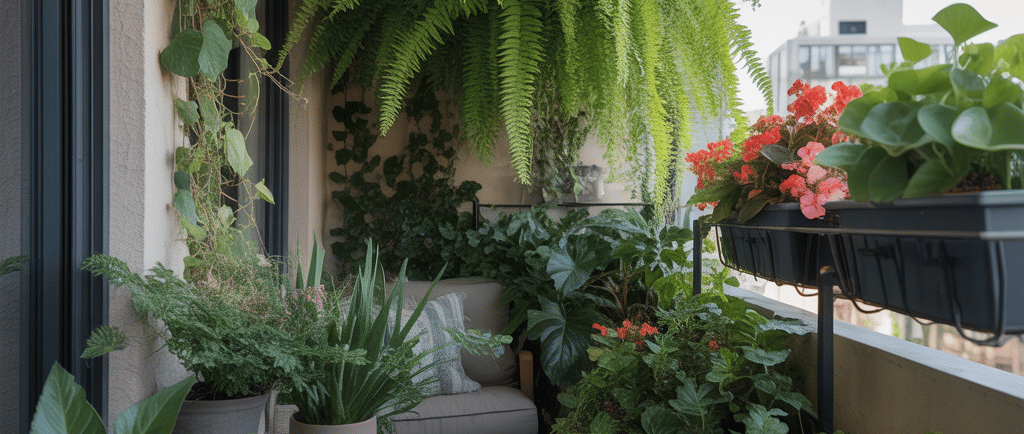
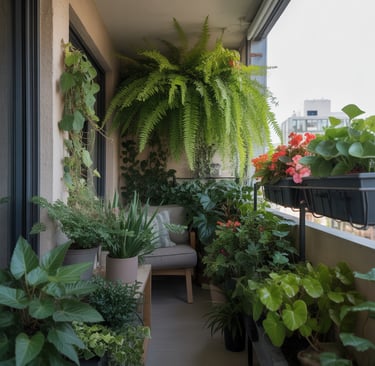
Because here's the truth: a north-facing balcony isn't a gardening death sentence. It's actually a specific kind of growing environment with its own rules, its own star players, and honestly, its own kind of beauty. Shade gardens can be absolutely lush. We're talking dramatic ferns, colorful begonias, bold hostas, cascading foliage — plants that look like something out of a fancy botanical garden. You just have to know which ones to pick.
I've spent years figuring out what actually grows on a shady balcony versus what just slowly dies while you feel guilty about it. I've killed my share of sun-loving plants by stubbornly trying to make them work in the wrong spot. And I've also discovered some genuine gems — plants that don't just survive low light, they thrive in it. This guide is everything I've learned, laid out as plainly as I can manage. Let's turn that shady balcony into something you're actually proud of.
Understanding Your North-Facing Balcony (Before You Buy a Single Plant)
Before you buy anything — and I mean anything — you need to actually understand what kind of light situation you're dealing with. I skipped this step for two full seasons and wasted a lot of money on plants that were doomed before they even hit the soil. Don't be like me. Spend a day just watching your balcony.
A north-facing balcony, in the northern hemisphere, means you're facing away from the sun's primary path across the sky. In practical terms, that translates to no direct sunlight hitting your space for most or all of the day. But here's something a lot of people don't realize: there's a big difference between "no direct sun" and "completely dark." Most north-facing balconies get what's called bright indirect light — especially if they're not blocked by overhangs, neighboring buildings, or heavy trees. Bright indirect light is actually enough for a surprising number of plants.
The amount of light you actually get depends on a few variables beyond just your compass direction. How high up are you? Higher floors generally get more light. What's above you — a solid ceiling overhang, or open sky? An open balcony with sky exposure gets way more ambient light than one with a heavy ceiling. What's around you — are there buildings or walls blocking light from the sides? I've seen two "north-facing" balconies in the same city where one was bright and airy and one was genuinely dim. Same direction, totally different light environment.
Seasons matter a lot too. In summer, the sun tracks higher in the sky and might clip the edge of your north-facing balcony for an hour or two in the morning or evening — especially in midsummer at higher latitudes. That little bonus bit of sun can make a real difference for some plants. In winter, the sun is low and stays south, so your balcony will be at its darkest. Planning for this seasonal shift means choosing plants that can handle the darker winter months, or being prepared to swap things out seasonally.
My advice: grab your phone, open a compass app, and literally stand on your balcony at different times of day — morning, midday, late afternoon. Take note of where light comes from and how bright it is. If you can read a book comfortably without turning on a light, you've got workable light for shade-tolerant plants. If it's genuinely gloomy, you'll want to stick to the most shade-tolerant options and use some of the light-boosting tricks I'll share later in this guide.
Ferns — The Royalty of Shade Balcony Plants
If I had to pick one plant category that was basically made for north-facing balconies, it would be ferns. No contest. Ferns have been growing in the deep shade of forest floors for literally hundreds of millions of years. They didn't evolve under blazing sun — they evolved under tree canopies, in damp and shadowy spots. A north-facing balcony is basically their natural habitat wearing a different outfit.
My personal favorite for balcony containers is the Boston Fern. It's dramatic, full, and lush in a way that makes your whole balcony look like a tropical escape. I had one hanging in a basket on my shaded balcony for three seasons and it just kept getting bigger and more spectacular. The arching fronds spill over the edges of the pot beautifully. One thing I'll warn you about though — Boston Ferns are drama queens about humidity. They'll start dropping leaflets all over the place if the air gets too dry. I mist mine a couple times a week in summer and that helps a lot.
Maidenhair Ferns are gorgeous but, I'll be real with you, kind of high-maintenance. The delicate, fan-shaped fronds are stunning, but they don't take kindly to drying out even a little. I've killed more than one maidenhair by letting it dry out for just a day too long. If you're a consistent waterer who checks plants regularly, go for it — the payoff is beautiful. If you're more of a "water when I remember" gardener, maybe start with something more forgiving.
Bird's Nest Ferns are my recommendation for beginners. They're much more tolerant of inconsistent watering than other ferns, they have this beautiful, glossy, tropical look with wide undivided fronds, and they honestly just seem happy in low light. I put one in a dark corner of my balcony almost as an experiment, and it thrived where other plants struggled. It's not as dramatic as a big Boston Fern, but it's reliable — and reliability counts for a lot.
For container care, all ferns generally want moist but well-draining soil, high humidity, and consistent but not excessive watering. They don't want to sit in water — that's a quick route to root rot. I use a peat or coir-based potting mix with some perlite mixed in for drainage, and that's worked well across different fern varieties. Feed them lightly during the growing season — maybe once a month with a half-strength liquid fertilizer — and back off completely in winter.
Begonias — Colorful Survivors in Low Light
I'll be honest — for years I completely underestimated begonias. They seemed kind of old-fashioned to me, like something you'd find in your grandma's garden. Then I was desperate for something colorful on my shady balcony, tried a six-pack of wax begonias on a whim, and was completely converted. These plants are absolute workhorses in low light, they bloom for months, and they come in colors that can really brighten up a shady space.
Wax begonias are the most common type and the most forgiving for beginners. They're compact, tidy, and they bloom continuously from late spring all the way through fall with almost no deadheading required. I've grown them in spots that got maybe two hours of indirect light per day and they kept right on flowering. They do appreciate some bright indirect light to bloom their best — truly deep shade will reduce flowering — but compared to most flowering plants, they're impressively shade-tolerant.
Rex begonias are a completely different vibe — these ones are grown primarily for their foliage rather than flowers. The leaves are absolutely wild-looking: silvery, burgundy, deep green, sometimes almost metallic, with intricate patterns. They look almost fake, like a designer made them up. On a north-facing balcony where vibrant foliage can make up for a lack of sun-loving flowers, Rex begonias are a genuinely stunning choice. They're a little more finicky about temperature (they don't love cold) and they hate soggy soil, but otherwise they're manageable.
Tuberous begonias are the big, show-off variety with flowers that can get as large as roses. They need a bit more light than the other types — really bright indirect light is ideal — so they're best for north-facing balconies that get decent ambient light rather than truly gloomy ones. But when they're happy, they're absolutely spectacular. I grew a hanging basket of trailing tuberous begonias one summer and got compliments on them constantly from neighbors.
For all begonias in containers, watering is the thing to get right. They like evenly moist soil but absolutely hate sitting in water. Root rot is the most common begonia killer. Let the top inch of soil dry out between waterings, and always make sure your pots have good drainage. Humidity is appreciated — they're originally tropical plants — so grouping them with other plants naturally raises humidity a bit, which they'll thank you for.
Hostas — Bold Foliage for Shady Balconies
Hostas are one of those plants that garden designers love for good reason. They're architectural, bold, and they come in such a range of sizes, shapes, and colors that you could build an entire balcony display using nothing but hostas and it would look intentional and spectacular. And they are genuinely, deeply shade-tolerant — some varieties actually prefer deep shade over any sun at all.
The main thing to know about growing hostas in containers is that you need to pick the right size variety for your pot. In the ground, hostas can spread to four or five feet wide. You don't want that happening in a 12-inch pot on your balcony. For container growing, look specifically for miniature or compact varieties. 'Mouse Ears' is a popular mini hosta that stays tiny and cute. 'Blue Mouse Ears' has beautiful blue-green foliage and stays under a foot wide. 'Halcyon' is a medium variety with gorgeous blue-grey leaves that works well in a larger pot.
One of the things I love about hostas for shady balconies is how they fill a design role that's hard to fill with other plants — they provide bold, substantial foliage that acts as a backdrop or anchor for smaller, floofier plants. I pair mine with delicate ferns and trailing plants for a contrast in texture that looks really intentional and designed. The chunky, solid hosta leaves next to lacy fern fronds is a combination that just works.
Hostas are perennials, which means with proper care they come back year after year — a real bonus considering the cost of replanting every season. Overwintering container hostas takes a little attention though. In cold climates, container roots are more exposed to freezing than in-ground roots, and hostas can be killed by hard freezes in pots. I move mine into an unheated garage or shed for winter — somewhere cold enough that they stay dormant, but not cold enough to freeze solid. They come back in spring looking freshly energized, which I find genuinely delightful every time.
Impatiens — The Low-Light Flowering Champion
If you've ever asked a garden center employee what to plant in a shady spot, there's about a 90% chance they said "impatiens." And you know what? They're not wrong. Impatiens have earned their reputation as the go-to shade flower through decades of delivering reliable, continuous color in spots where most flowering plants just give up and die. They're not flashy or exotic, but they do their job better than almost anything else.
Standard impatiens — the classic kind — are some of the most shade-tolerant flowering plants you can find. They'll bloom in conditions that would make most other flowering plants produce nothing but leaves. I've had them going in spots that got maybe an hour or two of gentle, indirect light per day, and they kept blooming cheerfully all summer. They come in basically every color — white, pink, red, purple, coral, orange — so you can create whatever vibe you're going for even in a shady space.
New Guinea impatiens are a step up in terms of drama. They have larger flowers, often with beautiful variegated foliage, and they're a bit more tolerant of brighter conditions than standard impatiens — though they still handle shade well. They're a little pickier about watering and can look wilty on hot days even when they're not actually dry (they're just dramatic), but they bounce back quickly. I grow them in larger containers and they tend to get impressively bushy and full by midsummer.
The main thing impatiens want is consistent moisture. They wilt faster than almost any other plant when they get too dry, and while they usually recover with a good drink, repeated wilting stresses the plant and reduces flowering. I check mine daily in summer, especially during hot stretches. They also benefit from a good pinching back early in the season — just nip off the growing tips when the plant is young to encourage it to branch out and get full rather than leggy. A leggy impatiens looks sad. A bushy one looks incredible.
One thing I should mention: in the early 2010s, standard impatiens were devastated by a disease called impatiens downy mildew that swept through gardens and nurseries everywhere. Some areas still have this pathogen in the soil. If you've lost impatiens to mysterious sudden collapse, that might be why. New Guinea impatiens are resistant to the disease, so if you've had problems with standard impatiens in your area, switch to New Guineas and you should be fine.
Herbs That Tolerate Low Light on North-Facing Balconies
Okay, I have to be upfront with you about herbs and shade: most culinary herbs really do prefer sun. Basil, rosemary, oregano, thyme — these Mediterranean herbs basically need full sun to be happy, and they'll sulk, turn yellow, and become stingy with their leaves in a shady spot. I've tried to grow basil on a north-facing balcony. It was a slow, sad failure. The plant survived but was barely worth using.
However — and this is a meaningful however — there are some herbs that genuinely tolerate lower light, and for a north-facing balcony that gets decent bright indirect light, you absolutely can grow them. The trick is setting realistic expectations. Your herbs won't be as bushy or productive as they would be in full sun, but they'll grow, and you'll get harvests. That's not nothing.
Mint is my number one recommendation for shady herb growing. It's practically unkillable, it grows aggressively even in low light, and it smells amazing. Put mint in a container by itself — not mixed with other herbs — because it will absolutely take over otherwise. I've grown mint on some pretty gloomy spots and it kept chugging along. It might get a little leggy without much sun, but regular trimming keeps it bushy and productive. Fresh mint for tea or cocktails basically all summer? Yes please.
Chives are another solid performer in low light. They're tough, they regrow quickly after cutting, and they don't need much sun to stay productive. I keep a pot of chives going almost year-round — they slow down in winter but they don't completely quit. Parsley is slower to establish but handles shade reasonably well once it gets going, and cilantro actually prefers cooler, shadier conditions since it bolts (goes to seed) quickly in hot sun. So your north-facing balcony might actually produce better cilantro than a sunny one. That's a fun little win.
Harvest herbs regularly to keep them productive — cutting encourages new growth rather than letting the plant go to seed. For all container herbs, drainage is critical. Herbs really hate wet feet. Use a well-draining potting mix and containers with good drainage holes, and don't let them sit in saucers of standing water. Feed them lightly every few weeks with a balanced fertilizer — heavy feeding actually reduces flavor intensity in herbs, so less really is more here.
Foliage Plants That Thrive Without Direct Sun
Here's a mindset shift that made my north-facing balcony garden so much better: stop chasing flowers and start embracing foliage. This took me a while because I kept comparing my balcony to my neighbor's sun-drenched one full of geraniums and petunias. But once I leaned into the world of foliage plants, my whole balcony started looking more lush, more interesting, and honestly more sophisticated than a bunch of flowers ever made it look.
Caladiums are absolutely jaw-dropping foliage plants for shady containers. The leaves come in combinations of white, pink, red, and green with intricate patterns and almost translucent quality — they look incredible in low light because they kind of glow. They're tropical plants that love warmth and indirect light, which makes a north-facing balcony a pretty good match as long as temperatures don't drop too low. I grew a mixed container of caladiums one summer and it became the most-commented-on thing on my whole balcony. Strangers asked me what they were.
Coleus is another absolute winner in shade. It's been bred in so many color combinations now that you can find coleus in virtually any color palette you can imagine — chartreuse, burgundy, copper, hot pink, deep purple, multicolored. It grows quickly, fills out containers beautifully, and asks for very little in return. I use coleus as a filler plant to bridge gaps between more dramatic specimens. Sun-tolerant varieties exist too, but the classic coleus varieties genuinely prefer some shade and will actually fade or scorch in too much direct sun.
Heuchera, sometimes called coral bells, is one I started growing a few years ago and now I put it in almost everything. The foliage comes in colors from lime green to deep burgundy to almost black, and it has this beautiful ruffled texture. It's also a perennial, so it comes back every year — a nice change from annuals that need replacing each season. It does produce delicate little flowers on tall stems, which are a bonus, but the foliage is the real star.
For combining foliage plants, think about contrasting textures and colors rather than matching them. Big, bold hosta leaves next to delicate, airy fern fronds. Dark-leaved heuchera against bright chartreuse coleus. The visual contrast is what makes a container planting look designed rather than random. I follow a simple rule I picked up somewhere: thriller (one tall, dramatic focal plant), filler (something bushy that fills the middle), and spiller (something trailing that drapes over the edge). That formula works even better with foliage plants than it does with flowers.
Container and Soil Tips Specific to Shady Balconies
Growing plants in shade changes the game in ways that aren't immediately obvious, and one of the biggest changes is watering. Shady spots don't dry out as fast as sunny ones. There's no direct sun hitting the soil and evaporating moisture, so the soil stays moist longer. This is actually great — less watering — but it also means overwatering is a more common problem in shady container gardens than underwatering. I made this mistake early on, watering my shady plants on the same schedule as my sunny ones, and lost a couple of plants to root rot before I figured out what was happening.
Check your soil moisture before every watering, not on a schedule. Stick your finger an inch into the soil — if it's still moist, wait. If the top inch is dry, water. Shade-loving plants in containers might only need watering every three to five days in moderate weather, versus daily in a sunny spot. In cooler, cloudy weather they might go even longer. Pay attention to your specific conditions rather than following a fixed routine.
Container choice matters in shade gardening in some specific ways. Dark-colored containers absorb more heat, which can actually be helpful in a shady spot because it warms the soil slightly. In full sun that would be a problem — overheating — but in shade it's a minor benefit. Self-watering containers can be trickier in shade because the reservoir might stay full for too long, keeping the soil too wet. If you use them in shady spots, watch the moisture levels closely and don't fill the reservoir until the soil actually needs it.
For soil mix, shade plants generally want moisture-retentive but still well-draining soil. A standard high-quality potting mix works fine for most shade plants. For ferns specifically, I add some peat moss or coco coir to boost moisture retention. For succulents or herbs — which need sharper drainage — I'd mix in extra perlite. And for hostas and perennials, I add some compost to the mix for long-term nutrient support since they'll be sitting in the same container for a long time.
Fertilizing shade plants requires a lighter hand than sunny plants. Plants growing in low light photosynthesize more slowly, which means they grow more slowly, which means they need fewer nutrients pushed at them. Overfeeding shade plants can cause soft, weak, floppy growth and can actually burn roots. I feed my shady balcony plants at half the rate recommended on the fertilizer package, every three to four weeks during the growing season. That's usually plenty. Less really is more when the light is limited.
Styling and Arranging Your North-Facing Balcony Garden
The visual challenge of a north-facing balcony isn't just growing plants — it's making the space feel bright, welcoming, and lush rather than gloomy and neglected. I've thought a lot about this over the years, and there are some design moves that make a real difference. Some of them have nothing to do with plants at all.
First: height variation. A balcony where everything is at the same level looks flat and boring. Use tall plants, medium plants, and trailing or low plants together to create layers of visual interest. I use a tall plant stand or a tiered shelf in one corner to get some plants up high, hang some baskets at railing height, and keep some ground-level containers for trailing plants. The layering creates a sense of depth and abundance even in a small space. It makes five containers look like fifteen.
Color strategy matters a lot in a shady space. Dark, moody colors — deep burgundy heuchera, dark purple coleus — look gorgeous in shade and lean into the atmospheric quality of a north-facing spot. But if you want to brighten the space and make it feel lighter, go for plants with white, pale yellow, or light green in their foliage or flowers. White impatiens, white-variegated hostas, bright lime coleus — these colors visually pop in shade and actually make the space look more illuminated than it is.
Here's a trick I picked up from a garden designer friend: add reflective surfaces. A large mirror mounted on the balcony wall bounces light around the space in a way that benefits both plants and the visual feel of the area. Even lighter-colored walls and furniture reflect more light than dark surfaces. I painted one wall of my balcony a pale cream color and it made a noticeable difference in how bright the whole space felt. Some people use metallic or mirrored planters for the same effect.
Seasonal swapping keeps things looking fresh throughout the year. In spring, cool-season plants like pansies, violas, and primroses handle shade well and love cool temperatures. In summer, swap to hostas, ferns, begonias, and impatiens. In fall, ornamental kale, asters, and flowering cabbage add interest when summer plants start to fade. You don't have to replant everything each season — just swapping out one or two key containers makes a big difference. And it gives you an excuse to go to the garden center, which I never need but always appreciate.
Conclusion
A north-facing balcony is not a problem to be solved — it's an environment to be understood and worked with. I wasted time being frustrated about what I couldn't grow before I started appreciating everything I could grow. And honestly? My shady balcony garden has become one of my favorite things about where I live. The lush ferns, the dramatic caladiums, the quietly reliable begonias — there's a softer, more restful beauty to a shade garden that a blazing sunny one doesn't always have.
Start with one or two plants from this guide that genuinely excite you. Don't try to do everything at once. Get to know how your specific balcony behaves — where the light comes from, how fast things dry out, how the wind moves through — and let that knowledge guide your choices over time. Every balcony is a little different and the best garden is one that responds to its actual conditions rather than fighting them.
Now I'd love to hear from you — what are you growing on your north-facing balcony? Found a plant that works brilliantly that I didn't mention? Or have a shade-gardening disaster story that might save someone else's plants? Drop it in the comments below. We're all figuring this out together, one shady balcony at a time. 🌿