Indoor Garden Ideas for Small Spaces: How to Grow Big in a Tiny Home
Looking for indoor garden ideas for small spaces? Discover creative, budget-friendly ways to grow herbs, veggies, and houseplants in apartments, studios, and compact homes.
INDOOR TINY PLOTS: FRESH FOOD & GREENERY ALL YEAR
Introduction
Urban gardening has exploded in popularity — and I mean that almost literally. According to the National Gardening Association, participation in food gardening grew by over 200% in urban areas over the last decade. And honestly? I'm not surprised at all. When I moved into my 600-square-foot apartment five years ago, I thought my gardening days were done. I had gone from a house with a backyard to a place where my "outdoor space" was a fire escape and some good intentions.
But here's what I learned pretty quickly: small space indoor gardening isn't a compromise. It's actually its own whole beautiful thing. You don't need a yard. You don't need a greenhouse. You don't even need a lot of money. You just need a little creativity, the right plants, and someone to show you the ropes.
In this guide, I'm going to share everything I've figured out about indoor garden ideas for small spaces — from vertical wall setups to windowsill herb gardens to budget DIY hacks that actually work. Whether you're in a studio apartment, a tiny house, or just a home with limited indoor space, there's a setup in here that'll work for you. Let's grow! 🌱
Why Indoor Gardening in Small Spaces Is Easier Than You Think
The number one thing I hear from people when I mention my indoor garden is, "Oh, I could never do that — I don't have the space." And every single time, I want to grab them by the shoulders (gently, I'm a teacher, not a linebacker) and say: yes, you absolutely do.
There is this persistent myth that gardening requires space. Like, significant outdoor space. A raised bed, a plot of land, at minimum a large balcony. And I get where that comes from — most of us grew up seeing gardens as these big outdoor things. But the reality is that some of the most productive, most beautiful gardens I've ever seen have been inside small apartments. On windowsills. On walls. Hanging from ceilings.
The mental health benefits of indoor gardening are real and well-documented. Studies have shown that tending to plants reduces cortisol levels (that's your stress hormone), improves mood, and even boosts concentration. When I was going through a rough patch a few years back, my little herb corner in the kitchen was genuinely therapeutic. There's something about nurturing a living thing that just... resets you.
And then there's the practical side of it. Growing even a small amount of your own food — a handful of herbs, some cherry tomatoes, a pot of lettuce — feels incredibly satisfying. You save a little money, you eat fresher, and you feel like an absolute genius every time you snip fresh basil directly into your pasta. It's a vibe.
The key shift is just reframing what a "garden" means to you. A garden doesn't have to be big. It doesn't have to be outdoors. A single windowsill with three herb pots in it is a garden. A wall of hanging planters is a garden. A grow light over a little tray of microgreens is a garden. Once you let go of the idea that gardens need to look a certain way, the possibilities open right up.
The other thing that trips people up is the learning curve. They assume it's complicated, that they'll kill everything, that gardening is a skill reserved for people with green thumbs. And look — I killed a lot of plants before I figured things out. A lot. But that's how you learn. You figure out what works in your specific space, with your specific light and humidity levels, and you adjust. It really doesn't take long before you start to get the hang of it.
Best Indoor Garden Ideas for Small Spaces
Okay, this is my favorite section to talk about because there are so many genuinely clever setups for small spaces. I've tried most of these personally, and I'll tell you honestly which ones have worked best for me.
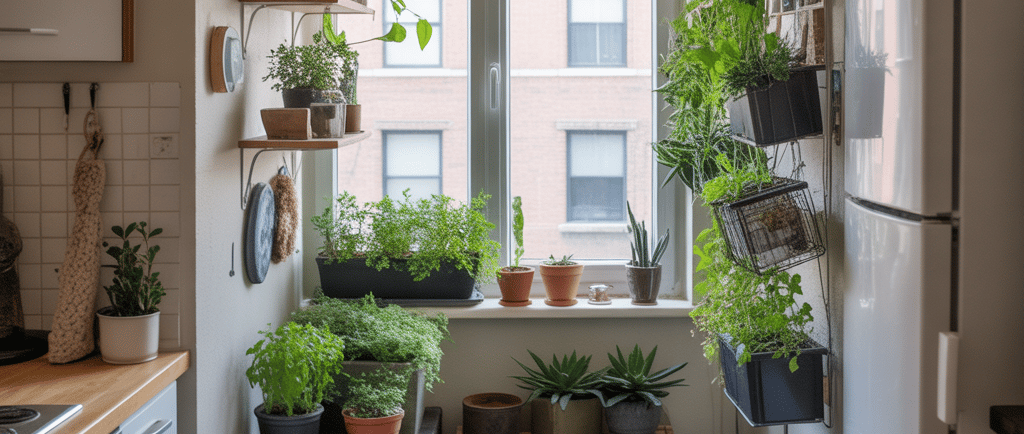
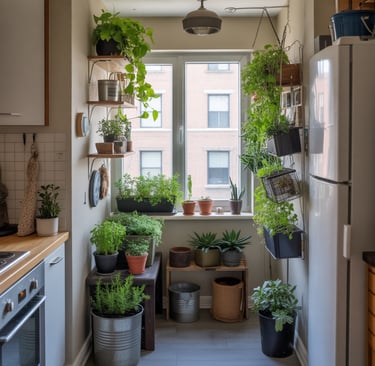
Vertical Wall Gardens — This was the thing that changed everything for me. When you don't have floor space or counter space, you go up. Vertical garden systems — whether that's a store-bought modular wall planter or a DIY setup with wooden pallets and small pots — let you turn an empty wall into a living, growing thing. I have a vertical herb wall in my kitchen that grows basil, parsley, mint, and chives. It's functional, it's beautiful, and it takes up zero counter space.
Window Box Gardens — If you have a decent windowsill, you have a garden. Seriously. Window boxes — either inside on the sill or mounted just outside — are one of the oldest small-space gardening tricks in the book. I use long rectangular planters on my south-facing kitchen window and grow herbs year-round. South-facing windows get the most light, so if you have one, that's your prime real estate.
Tiered Plant Stands — These are having a serious moment right now and for good reason. A three or four-tier plant stand lets you stack multiple plants vertically while only taking up the floor space of a single pot. I have one in the corner of my living room with a mix of trailing pothos, a small fern, and some succulents. It looks like a whole lush corner without eating up much space.
Hanging Planters — Ceiling hooks and hanging planters are so underutilized in small spaces. Your ceiling is basically unused real estate. I have four hanging planters in my living room at different heights, and they add so much visual interest and greenery without crowding the floor or shelves. Trailing plants like pothos, string of pearls (keep away from pets!), and Boston ferns look incredible in hanging planters.
Over-the-Door Organizers as Planters — This one sounds a little weird but stick with me. Those fabric over-the-door organizers with multiple pockets? Perfect for growing herbs and small plants. Hang one on a door or wall near a window, fill the pockets with potting mix, and plant herbs or even lettuce. I've seen some gorgeous setups using these and they're super cheap.
Magnetic Herb Jars on the Fridge — This one is purely delightful. Small magnetic containers mounted on the side of your fridge, filled with herbs. It sounds gimmicky but it actually works really well for herbs like chives, mint, and small basil plants. It uses space that was doing nothing anyway, and it looks adorable.
Best Plants for Small Space Indoor Gardens
Not every plant is suited for indoor small-space growing, and I learned that the hard way when I tried to grow zucchini on my windowsill and ended up with one sad, tiny zucchini after three months of effort. Some plants just need more room, more light, or more soil than small-space setups can provide. But there are plenty that absolutely thrive.
Herbs are your best friends. Basil, mint, chives, parsley, oregano, thyme — all of these grow incredibly well in small containers with decent light. Mint is especially forgiving (almost aggressively so — it'll take over if you let it, so keep it in its own pot). I grow all of my herbs in four-inch pots and they produce more than I can use. Fresh herbs elevate your cooking in a way that dried herbs just don't, and growing them yourself is genuinely easy.
Cherry tomatoes are surprisingly doable indoors. They need a decent-sized pot (at least five gallons), a sunny window or grow light, and some support for the vines, but they'll absolutely produce fruit indoors. I grew a whole season of cherry tomatoes in my apartment using a grow light and a fabric pot. The plants were small but mighty. Nothing like popping a tomato in your mouth that you grew yourself in your living room.
Lettuce and leafy greens are made for small spaces. They have shallow roots, they grow fast, and they're cut-and-come-again, meaning you harvest the outer leaves and the plant keeps producing. I grow lettuce in a long window box and it's basically a constant supply of salad greens from spring through fall. Radishes are similar — fast-growing, shallow-rooted, perfect for container growing.
Low-light plants for non-sunny spaces. Not everyone has great natural light, and that's okay. Snake plants, ZZ plants, and pothos thrive in low-light conditions and are nearly impossible to kill. They won't produce food, obviously, but they add life and greenery to spaces that wouldn't otherwise support a garden.
Compact flowering plants add color. African violets and begonias are both compact, bloom reliably, and look gorgeous in small containers. If you want your indoor garden to feel cheerful and colorful rather than purely utilitarian, these are great additions.
How to Set Up a Small Space Vertical Garden
When I first decided to do a vertical garden, I spent way too long overthinking it. I watched approximately one million YouTube videos and read a dozen blog posts and still wasn't sure where to start. So let me save you that time and just tell you what actually works.
Choosing the right wall or surface. You want a wall that gets decent light — ideally near a window — and one where you're comfortable putting in a few screws or hooks. Renters, don't panic: there are pressure-mounted and adhesive vertical systems that don't require drilling. They're not as sturdy as mounted ones, but for lighter plants like herbs, they work fine. I used a freestanding shelving unit against my wall for my first vertical garden, which required zero drilling and was totally renter-friendly.
DIY vs. store-bought systems. Both work. Store-bought modular wall planters (brands like Woolly Pocket, Urbio, and various Amazon options) are convenient and look polished. DIY setups using wooden pallets, PVC pipe, or repurposed shoe organizers are cheaper and more customizable. I started with a DIY pallet garden and eventually upgraded to a store-bought system when I had more budget. Honestly, the DIY one looked just as good.
Best plants for vertical growing. You want plants that don't have deep root systems and don't get too heavy. Herbs (always the answer), lettuce, strawberries, succulents, and small flowering plants like pansies all do well in vertical setups. Avoid anything with big root systems or heavy fruit.
Watering a vertical garden takes a little adjustment. The bottom pockets tend to get more water than the top ones as things drain down, so I always start watering from the top and work my way down slowly. Some vertical systems come with built-in drip irrigation, which honestly makes life so much easier. If yours doesn't, a long-spouted watering can helps a lot.
Maintenance is minimal once you've got the system down. Check moisture levels every couple of days, fertilize monthly during growing season, and trim back anything that's getting leggy. Vertical gardens do tend to dry out faster than traditional pots because of the increased air circulation, so just keep an eye on soil moisture and you'll be fine.
Indoor Herb Garden Ideas for Small Kitchens
The kitchen herb garden is the gateway drug of indoor gardening, and I mean that in the best possible way. It's where most people start, and for good reason — the payoff is immediate and delicious.
The classic windowsill setup. Three or four small pots on a sunny windowsill, each with a different herb. This is where I started and honestly, it's still one of my favorite setups. Basil, chives, parsley, and mint are my go-to four. They're the ones I use most in cooking, and they grow reliably on a south-facing window. Use pots with drainage holes and put a saucer underneath to catch the water.
Magnetic spice jar herb planters. I mentioned these earlier and I'm bringing them up again because they're just so clever. You can buy magnetic containers specifically designed for this, or hack it yourself with small magnetic tins from a craft store. Mount them on the fridge near your prep area and you've got a herb garden that's literally within arm's reach while you cook. Chives and mint work especially well in the smaller containers.
Countertop hydroponic herb kits. Okay, I resisted these for a long time because they seemed gadgety and overpriced. Then a friend gave me an AeroGarden as a birthday gift and I kind of... became obsessed. Hydroponic herb kits grow herbs in water with nutrients and built-in grow lights. The herbs grow faster and bigger than soil-grown herbs, and there's no mess, no soil, no drainage issues. They're not cheap, but if counter space is your only option and you want serious production, they're worth it.
Mason jars and tin cans. This is the most budget-friendly option and it works beautifully. Clean out some pasta sauce jars or tin cans, add drainage holes (a hammer and nail works fine), fill with potting mix, and plant your herbs. Arranged on a windowsill or a small shelf, they look charming and rustic and they cost basically nothing. I still have a row of tin can herb planters on my windowsill and I love them.
Lighting Solutions for Small Space Indoor Gardens
Light is the thing that makes or breaks an indoor garden, and it's the area where I see the most beginners struggle. The good news is that even if your apartment doesn't get great natural light, there are solutions that are affordable and effective.
Maximize your natural light first. Before you buy anything, assess what natural light you actually have. South-facing windows get the most direct light in the Northern Hemisphere and are ideal for herbs, tomatoes, and light-loving plants. East-facing windows get gentle morning light — good for herbs and most houseplants. West-facing windows get afternoon light — similar to east, decent for most things. North-facing windows get the least light and are really only suitable for low-light plants like pothos and snake plants.
Clean your windows. Okay this sounds basic but dirty windows can block a surprising amount of light. I cleaned my windows once and my plants visibly perked up within a week. Also, keep plants as close to the window as possible without touching the glass, since glass can get cold enough in winter to damage leaves.
Grow lights are a game-changer. If your natural light is limited, a grow light lets you grow almost anything, anywhere. I use a simple LED grow light strip mounted under a shelf above my herb garden and it works incredibly well. Full-spectrum LED grow lights are the most energy-efficient option and they don't get hot, which is important in small spaces. You can get a decent one for around $20-$40 on Amazon.
Budget-friendly lighting options. You don't need a fancy purpose-built grow light setup. A simple clip-on LED grow bulb screwed into a regular lamp works well for small setups. I used one of those for two years before upgrading. Set it on a timer so you don't have to remember to turn it on and off — most plants need about 12-16 hours of light per day, which is more than you'd naturally leave a lamp on.
Match light hours to plant needs. Herbs and vegetables need more light (14-16 hours under grow lights). Tropical houseplants and low-light varieties do well with 10-12 hours. Flowering plants often need a period of darkness to trigger blooming, so don't overdo the light on those.
Budget-Friendly Small Space Indoor Garden Tips
One of the best things about small space indoor gardening is that it genuinely doesn't have to cost much. My current setup — which grows herbs year-round and looks really nice, if I do say so myself — cost me under $100 to put together, and a lot of that was the grow light.
DIY container ideas. Almost any container can become a planter if you add drainage holes. I've used colanders, wooden wine crates, tin cans, mason jars, old colanders, cracked mugs, even an old pair of rain boots once (it was a phase). Thrift stores are goldmines for cheap containers. Drill or nail some drainage holes in the bottom, add potting mix, and you're good to go.
Propagate plants for free. This one is huge. So many common houseplants and herbs can be propagated from cuttings — meaning you grow a new plant from a piece of an existing one, for free. Pothos, mint, basil, rosemary, succulents — all of these propagate easily in water or soil. I've built out a big chunk of my plant collection through propagation. Ask friends, neighbors, or local plant groups if they have cuttings to share.
Find cheap seeds and seedlings. Dollar stores often carry seed packets for $1 or less. End-of-season sales at garden centers can get you seedlings for pennies. Online seed swap communities let you trade seeds with other gardeners for nothing. Starting from seed is almost always cheaper than buying established plants, and it's genuinely satisfying.
Upcycle household items. I've already mentioned mason jars and tin cans, but seriously — look around your house before you buy planters. Colanders have built-in drainage. Old wooden boxes lined with plastic make great planter boxes. Broken teapots become charming little succulent pots. There's a whole creative, sustainable angle to indoor gardening that I find really fulfilling, and it saves money at the same time.
Make your own potting mix. Buying pre-made potting mix is fine, but if you're planting a lot of containers, it gets expensive. A basic DIY mix of compost, perlite, and a little coconut coir works brilliantly and costs a fraction of bagged mix when you buy the components in bulk.
Conclusion
Here's the truth: you don't need a backyard, a big house, or a fancy setup to have a thriving indoor garden. You just need a little creativity, some good plants, and the willingness to figure it out as you go. I've built my small-space indoor garden over years of trial and error, and it's brought me more joy than almost anything else in my apartment.
Start small. Seriously — one windowsill herb pot is a garden. Build from there. Try a vertical setup when you're ready for more. Add a grow light if your light situation is limited. Propagate plants and share cuttings with friends. Upcycle containers. Grow something you'll actually eat or use. That's the whole formula.
The most important thing is just to start. Don't wait until you have the perfect setup or the perfect space. Start with what you have, where you are, right now. Your future plant-parent self will thank you.
Now I want to hear from you — what does your small-space indoor garden look like? What plants have worked for you, and what's been a total disaster? Drop your stories, tips, and photos in the comments below. Let's build a community of small-space growers together. And if this guide was helpful, share it with someone who's been saying "I wish I could have a garden but I just don't have the space." 🌿✨