How to Build a Container Pond with Fish (Small Space Water Garden Guide)
Learn how to build a container pond with fish for your balcony, patio, or backyard. Discover the best containers, fish, plants, and maintenance tips for a thriving miniature water garden.
BALCONY TINY PLOTS: TURN YOUR OUTDOOR SPACE INTO A MINI FARM
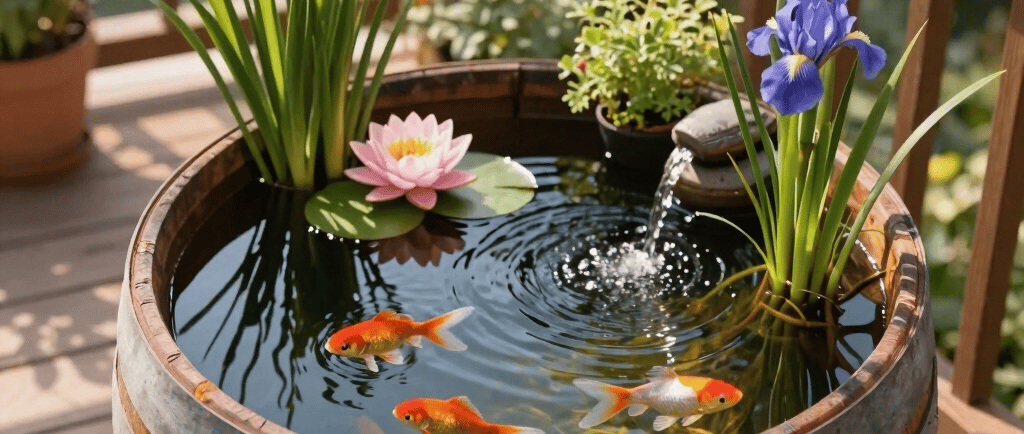
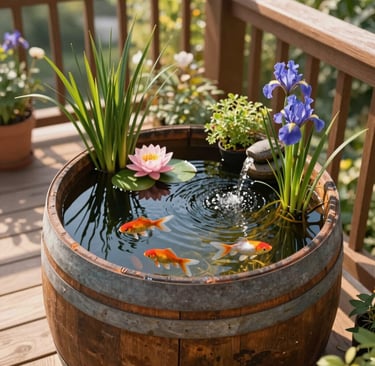
I never thought I'd have a pond. Like, a real one — with fish and plants and the sound of water. That kind of thing seemed reserved for people with big backyards and even bigger budgets. But then I discovered container ponds, and honestly? It changed everything.
Did you know you can have a fully functioning pond with live fish in something as simple as a half wine barrel or a large galvanized tub? It's true! Container ponds are one of the most underrated small-space garden projects out there, and they're way more beginner-friendly than people think.
In this guide, I'll walk you through everything:
What containers work best,
Which fish can actually thrive in a small pond,
What plants to add,
How to set up filtration (without going overboard),
And how to keep everything healthy season to season.
Whether you've got a balcony, a patio, or just a sunny corner of your yard, a container pond with fish is absolutely doable. Let's get into it.
Why Container Ponds Are Perfect for Small Spaces
Here's the thing about traditional in-ground ponds — they're a commitment. You're digging, lining, spending thousands of dollars, and hoping you don't hit a pipe. Container ponds skip all of that.
They're portable and flexible
The biggest win with container ponds is that you can move them. If a spot isn't getting enough sun, you relocate the whole thing. If you're renting and moving out, you take it with you. That kind of flexibility is huge, especially for apartment and balcony gardeners.
They're budget-friendly
A basic container pond setup can cost anywhere from $50 to $300 depending on your container, fish, and plants. Compare that to a traditional in-ground pond that can run into the thousands, and you start to see why this approach makes so much sense.
They're faster to set up
You can have a container pond up and running in a single afternoon. No excavating, no liner installation, no big crew. Just a container, some water, a small pump, and you're most of the way there.
Best Containers for a Container Pond with Fish
Choosing the right container is probably the most important decision you'll make. The container determines how many fish you can keep, how much maintenance you'll deal with, and what your pond looks like overall.
Half wine barrels (whiskey barrels)
These are the classic choice — and for good reason. They're wide, deep enough for fish to stay cool in summer, and they look gorgeous on a patio. You'll want to line them with a flexible pond liner or a pre-made barrel pond liner insert to prevent the wood from leaching tannins into the water.
Galvanized stock tanks
These have become incredibly popular for container ponds in the last few years. They come in several sizes, they're durable, and they have a clean farmhouse aesthetic that works well in modern outdoor spaces. They do heat up faster than barrels in direct sun, so keep that in mind for fish health.
Large ceramic or glazed pottery
Big decorative pots can make stunning container ponds. Just make sure they're sealed and waterproof — not all pottery is. If the pot has a drainage hole, you'll need to plug it with a pond-safe rubber bung.
Pre-formed pond basins
These are plastic or resin containers specifically made for small ponds. They're not the prettiest option, but they're practical, lightweight, and easy to clean.
What to avoid
Anything with sharp or rusty metal edges that could injure fish,
Containers treated with pesticides or chemical coatings,
Pots with drainage holes you can't seal properly,
Very shallow containers (under 12 inches deep) if you plan to keep fish.
Best Fish for Container Ponds
Not all fish are suited for a small container pond, so this is where you need to be realistic about space and water volume. The general rule is 1 inch of fish per 10 gallons of water — so a 50-gallon container can comfortably hold around 5 inches of fish total.
Goldfish
Goldfish are the go-to for container ponds. They're hardy, colorful, and surprisingly resilient. Common goldfish, comets, and shubunkins all do well in outdoor container ponds. Fancy goldfish (like Orandas or Ryukins) can work too, but they're a bit more sensitive to temperature swings.
Mosquito fish (Gambusia)
If your main goal is keeping the water clear of mosquito larvae — which is a real concern with any standing water — mosquito fish are fantastic. They're tiny, tough, and incredibly efficient at eating larvae. They're also often free or very cheap from local mosquito control programs.
White Cloud Mountain Minnows
These are underrated little fish. They're small, peaceful, tolerate cool water really well, and look beautiful in a planted container pond. They're a great option if you want fish but don't want the commitment of full goldfish care.
What to avoid
Koi — they get too large and need much more water volume than most containers can provide,
Tropical fish like bettas or guppies — they can't survive cold outdoor temps,
Aggressive or territorial species that will stress out tank mates.
Best Plants for a Container Pond
Plants aren't just decorative in a container pond — they're functional. They oxygenate the water, provide shade for fish, absorb excess nutrients, and help keep algae under control naturally.
Water lilies (dwarf varieties)
Dwarf or miniature water lilies are perfect for container ponds. They spread their pads across the surface, which shades the water and keeps temperatures from spiking in summer heat. Look for varieties specifically labeled "miniature" or "small container" so they don't take over.
Water hyacinth
This is a floating plant that requires zero planting — just drop it in. It's a nutrient powerhouse, meaning it absorbs excess fish waste from the water and helps keep things balanced. Fair warning: it can grow very fast in warm, sunny conditions, so keep it trimmed back.
Marginal plants (irises, rushes, sedges)
These go around the edges of the pond or in shallow water. Dwarf cattails, blue flag iris, and Japanese rush all look amazing and add that classic "pondside" look. You plant these in aquatic pots and set them on bricks or ledges inside the container.
Submerged oxygenating plants
Plants like anacharis (Elodea) grow underwater and release oxygen directly into the water. They also give fish places to hide and lay eggs. A few bunches in the bottom of your container pond go a long way toward water quality.
Setting Up Filtration and Aeration
This is the part that intimidates most people, but it doesn't need to be complicated. For a container pond with fish, you need two things: filtration and aeration.
Why you need filtration
Fish produce waste, and that waste breaks down into ammonia, which is toxic to fish. A small biological filter processes that ammonia into less harmful compounds. For a container pond, a small submersible pump with a foam filter is usually enough.
Choosing a pump
Look for a pump rated for roughly twice your container's water volume per hour. So if you have a 50-gallon container, look for a pump that moves 100 gallons per hour. This ensures the water is being filtered and circulated adequately without creating too much current for your fish.
Adding aeration
Aeration adds oxygen to the water and is especially important in hot weather when dissolved oxygen levels drop. A small fountain head attached to your pump, or an air stone connected to an aquarium air pump, does the job perfectly. The gentle bubbling also sounds lovely and adds to the relaxing vibe of the whole setup.
The nitrogen cycle — don't skip this
Before adding fish, you need to "cycle" your pond. This means letting beneficial bacteria establish in your filter media, usually over 2 to 4 weeks. These bacteria are what actually convert toxic ammonia into safer nitrates. You can speed this up with bottled beneficial bacteria products from aquarium stores.
How to Set Up Your Container Pond Step by Step
This is the fun part. Here's a simple, straightforward process to get your container pond up and running.
Choose and prep your container — clean it thoroughly, seal any drainage holes, and if using a wooden barrel, add a liner.
Add a layer of aquatic gravel or large river stones to the bottom — this gives beneficial bacteria a place to colonize.
Set up your pump and filter — place the submersible pump at the bottom and route the tubing to a fountain head or filter box at the water surface.
Add water — fill with tap water, then treat with a dechlorinator (chlorine kills fish and beneficial bacteria).
Plant your aquatic plants — set marginal plants in aquatic baskets on bricks, float surface plants like water hyacinth, and add submerged plants.
Cycle the pond — run the pump for 2 to 4 weeks before adding fish. Test water regularly with an aquarium test kit.
Add fish slowly — don't add all your fish at once. Start with one or two, let the system adjust, and add more gradually over a few weeks.
Balcony and Small Patio Container Ponds
If you're working with a balcony or tiny patio, there are a few extra things to think about.
Weight considerations
Water is heavy — about 8.3 pounds per gallon. A 50-gallon container pond weighs over 400 pounds when full. Before placing a large container on a balcony or deck, check the weight-bearing capacity. Most residential balconies can handle 40 to 60 pounds per square foot, but it's worth confirming.
Sun and wind exposure
Balconies often get more direct wind than ground-level gardens, which increases water evaporation and can stress fish. Position your container pond in a sheltered spot if possible, and top up the water level regularly.
Mosquito prevention
Standing water attracts mosquitoes. Fish will eat most larvae, but adding a mosquito dunk (a slow-release Bt bacteria tablet) as a backup is a good idea, especially when you're first setting up.
Seasonal Maintenance for Container Ponds
Taking care of your container pond changes with the seasons, and knowing what to expect makes the whole thing way less stressful.
Spring
Do a partial water change (about 25%) to refresh the water after winter,
Clean the pump filter,
Start feeding fish again as temperatures rise above 50°F (10°C),
Divide or repot any overgrown aquatic plants.
Summer
Top up water frequently to replace evaporation,
Trim back fast-growing surface plants so fish still get some sunlight,
Check water temperature — if it exceeds 85°F (30°C), add shade cloth or move the pond to a cooler spot.
Fall
Remove and compost dying plant material,
Stop feeding fish when water temps drop below 50°F (10°C) — their metabolism slows and they can't digest food properly,
Do a final partial water change and filter clean before winter.
Winter
In mild climates, fish can overwinter in the container pond — just make sure the water doesn't freeze solid,
In colder climates (like Alberta!), bring fish indoors into an aquarium for the winter,
Use a pond heater or de-icer to keep a small hole in the ice if you leave the pond outside.
Troubleshooting Common Container Pond Problems
Green water (algae bloom)
This usually happens when the pond gets too much direct sunlight and has excess nutrients from fish waste. Fix it by adding more surface-covering plants like water lilies, reducing fish feeding, and making sure your filter is running well.
Fish gasping at the surface
This is a sign of low oxygen. Add an air stone, increase pump flow, or do a partial water change immediately. It can also signal ammonia toxicity, so test the water.
Murky or brown water
If your water is brown and smells earthy, it might be tannins leaching from a wooden barrel — harmless to fish, but easily fixed by using a liner or doing partial water changes. If it smells bad (like sulfur), your filter may not be cycling properly.
Fish hiding or not eating
Stress from sudden temperature changes, new tank mates, or water quality issues. Test water parameters first, then check for predator threats like birds or cats.
Conclusion
Building a container pond with fish is one of the most rewarding small-space garden projects you can take on. It's calming, surprisingly easy to maintain once it's established, and it adds a whole new dimension to any patio, balcony, or outdoor space.
Start small — one container, a few fish, a couple of plants — and get comfortable with the basics before expanding. Every container pond is a little ecosystem, and watching it come to life over the weeks and months is genuinely magical.
If you build your own container pond, drop a comment or share a photo — I'd love to see what you create, and I'm sure other readers would too. What fish did you choose? What container surprised you? Let's talk about it.