How Often to Water Container Plants (Stop Killing Them!)
Wondering how often to water container plants? Learn the real watering schedule for pots, the signs your plants are thirsty, and the mistakes that kill most container gardens.
CONTAINER TINY PLOTS: CROPS, SOIL & CLEVER HACKS
Introduction
Here's the stat that should make every plant parent sit up straight: overwatering kills more houseplants and container plants than any other cause — including neglect, pests, and poor light combined. I know, right? The thing you're doing to show your plants love is the thing most likely to kill them. That's a rough one to reckon with.
I spent the first two years of my plant parenthood drowning everything I owned. Gorgeous pothos, thriving snake plants, a rubber plant I was genuinely proud of — all of them slowly yellowed, drooped, and died while I stood there watering them more, convinced they just needed extra love. It took killing probably fifteen plants before someone finally explained to me that I was the problem. Well — my watering schedule was the problem.
The frustrating thing about watering container plants is that there's no simple universal answer. "Water twice a week" sounds great but it's basically useless advice because it ignores container size, plant type, soil mix, season, humidity, temperature, and about a dozen other variables that all affect how quickly your soil dries out. What works for a big ceramic pot of pothos in a cool apartment is completely wrong for a small terracotta pot of basil on a hot balcony.
But here's the good news: once you understand the actual principles behind watering container plants — not a rigid schedule, but the logic of when and how to water — it becomes genuinely intuitive. You stop guessing and start knowing. And your plants stop dying.
In this guide, I'm going to walk you through everything — how often to water container plants by type, how to read what your plants are telling you, how to fix a plant you've already overwatered, and the hacks that make watering easier when you're busy or traveling. Let's sort this out once and for all. 💧
Why Container Plants Need Different Watering Than Garden Plants
The first thing to understand is that a potted plant is living in a fundamentally different environment than an in-ground plant, and that difference changes everything about how you approach watering.
When a plant grows in the ground, its roots can spread outward and downward in search of moisture. Even if the top few inches of soil are dry, there's moisture deeper down that roots can access. The plant has options. It can self-regulate to some degree, drawing on a large reservoir of soil moisture and going deeper when the surface dries out. In-ground plants are somewhat self-sufficient in a way that container plants simply can't be.
A container plant, on the other hand, is working with a fixed, limited volume of soil. When that soil dries out, that's it — there's no deeper moisture to access, no spreading roots to find water elsewhere. The plant is entirely dependent on you to replenish its water supply. That's a big responsibility, and it's why container plants need more attentive watering than their in-ground counterparts.
Then there's drainage. Container plants — assuming your pots have proper drainage holes, which we'll talk about later — lose moisture through the bottom every time you water and every time it rains. That's actually a good thing because it prevents waterlogging, but it also means moisture leaves the system faster than it would in the ground. Combine that with the relatively small soil volume and you've got a setup that dries out quickly and needs regular attention.
Container size dramatically affects watering frequency. A small four-inch pot dries out in a day or two in warm weather. A large fifteen-gallon container might stay moist for a week. This seems obvious when you say it out loud, but it's something a lot of people don't account for when they're setting up a collection of pots of different sizes. You can't water them all on the same schedule — the small ones need checking far more frequently.
Soil type matters enormously too. Standard potting mix holds moisture reasonably well. Cactus and succulent mix drains rapidly by design. Peat-heavy mixes hold onto moisture for a long time. Perlite-heavy mixes drain fast. The soil in your container is a major variable in how often watering is needed, and it's something worth understanding before you set up your schedule. I'll get into specific soil recommendations later, but for now just know that the medium in your pot is just as important as the size of the pot.
How Often to Water Container Plants — The Real Answer
Alright, here's where I give you the answer you came for — and then immediately complicate it, because that's just the honest reality of this topic.
The real answer to "how often should I water my container plants" is: when the soil tells you to. Not on a fixed schedule. Not every Tuesday and Saturday. Not when you happen to remember. When the soil is dry enough to need it, and not before.
For most container plants — houseplants, herbs, vegetables — that means checking the top inch or two of soil every day or two and watering when it's dry. The finger test is the single most reliable tool in any plant parent's arsenal. Stick your finger one to two inches into the soil. If it feels moist, leave it alone. If it feels dry, water thoroughly. That's it. That's the method. It sounds almost too simple to be the answer, but I've been doing it for years and it works better than any schedule I've ever tried.
For succulents and cacti, you go deeper — let the soil dry out completely, all the way through the pot, before watering again. These plants store water in their tissues and genuinely prefer drought conditions between waterings. I water my succulents roughly once every two to three weeks in summer and once a month or less in winter. They're thriving.
Seasons change everything, and this catches a lot of people off guard. In summer, container plants may need daily watering — sometimes twice daily for small pots in full sun. In winter, the same plants might only need water every week or two. This is because plant growth slows significantly in winter (even for indoor plants responding to reduced daylight), evaporation slows, and the plant is simply using less water. Keeping a rigid year-round schedule ignores this seasonal rhythm completely, and it's one of the most common causes of winter overwatering.
Here are some rough general guidelines by plant type, keeping in mind these are starting points, not rules carved in stone. Vegetables in containers need consistent moisture — check daily in warm weather and water when the top inch is dry. Herbs are a mixed bag — basil likes consistent moisture while rosemary and thyme prefer to dry out between waterings. Tropical houseplants like pothos and philodendrons like the top inch or two to dry between waterings. Succulents and cacti want to go almost completely dry. Flowering annuals in outdoor containers are usually the thirstiest — in hot weather they sometimes need daily watering.
Signs Your Container Plant Needs Water Right Now
One of the skills I'm most glad I developed as a plant person is being able to read what my plants are communicating. Because they do communicate — not obviously, not loudly, but consistently. Once you know what to look for, it's actually pretty clear.
Wilting and drooping is the most obvious sign of underwatering. Leaves lose their rigidity, stems go limp, the whole plant looks like it's had a rough day. This is the plant's way of reducing its surface area to conserve moisture — it's stressed and it's telling you so. The good news is that most plants recover quickly from wilting due to underwatering — water thoroughly and most will perk back up within a few hours. Important caveat: wilting can also be a sign of overwatering and root rot, so check the soil before assuming it's a thirst issue.
Dry, cracked, or pulling-away soil is a clear indicator. When soil dries out significantly, it contracts and pulls away from the edges of the pot. You'll see a visible gap between the soil surface and the pot wall. You might also see cracks on the soil surface. This is your soil literally showing you it's parched. Water deeply when you see this — and note that if the soil has pulled away from the pot edges, water may initially run straight down the gap and out the bottom without actually penetrating the soil ball, so water slowly and in multiple passes.
Crispy or brown leaf edges that start at the tips and work inward often indicate underwatering or inconsistent watering. The plant is unable to deliver enough water to the extremities of its leaves, so those tissues die first. This is common in tomatoes and basil when watering is irregular. Once the edges go crispy they don't recover, but fixing your watering schedule will prevent new growth from doing the same thing.
The lightweight pot test is one of my favorite quick-check methods, especially for smaller containers. Lift the pot — learn what it feels like when it's freshly watered and heavy versus when it's dry and noticeably lighter. Over time you develop an intuitive sense for this. I pick up my smaller herb pots every morning while I'm having coffee and know immediately which ones need water just from the weight.
Color changes in the soil itself are also a reliable indicator. Moist soil is dark. Dry soil is lighter and sometimes dusty-looking on the surface. A quick visual check of the soil color can tell you a lot before you even touch it.
Signs You're Overwatering Your Container Plants
This is the section I really need you to read carefully, because overwatering is genuinely the silent killer of container gardens. The tricky thing about it is that overwatering symptoms often look similar to underwatering symptoms, which leads people to water more — making the problem significantly worse.
Yellowing leaves are the classic overwatering symptom, especially when the yellowing affects lower or older leaves first and the soil feels consistently wet. Yellowing from overwatering is caused by root damage — waterlogged roots can't function properly, so the plant can't uptake nutrients even when they're available. The leaves essentially starve. If your plant is yellowing and the soil is wet, stop watering immediately.
Mushy stems at the base are a serious warning sign. If the stem of your plant feels soft, mushy, or discolored near the soil line, you're looking at the beginning stages of root rot. Root rot is caused by fungal pathogens that thrive in consistently wet soil. In early stages it's treatable — remove the plant from its pot, trim off any black, mushy roots, let the root ball dry out somewhat, and repot in fresh dry soil. In advanced stages, root rot is usually fatal.
Fungus gnats are a telltale sign of chronically overwatered soil. These tiny flies lay their eggs in moist organic soil, and if you're seeing them hovering around your plants constantly, your soil is staying too wet for too long. The fix is to let the soil dry out more between waterings and to use a layer of sand or perlite on the soil surface, which dries out fast and disrupts the gnat life cycle.
Soggy, compacted soil that stays wet for days after watering indicates poor drainage — either from lack of drainage holes, compacted soil, or a pot that's too large for the plant. This is a structural problem rather than just a watering frequency problem, and it needs to be addressed at the container and soil level, not just by watering less.
Fixing an overwatered plant starts with stopping watering immediately and letting the soil dry out. Remove any dead or yellowing leaves. Check the roots if you can — if they're brown and mushy rather than white and firm, you have root rot and need to act. Improve drainage if it's a systemic issue. And then — this is the hard part — be patient. Recovery from overwatering takes time, and the temptation to start watering again when the plant doesn't immediately perk up is real. Resist it.
How to Water Container Plants the Right Way
Knowing when to water is half the battle. Knowing how to water is the other half, and it's something that gets almost no attention in most plant care advice. There's a right way and a wrong way, and the difference shows up in your plants' health over time.
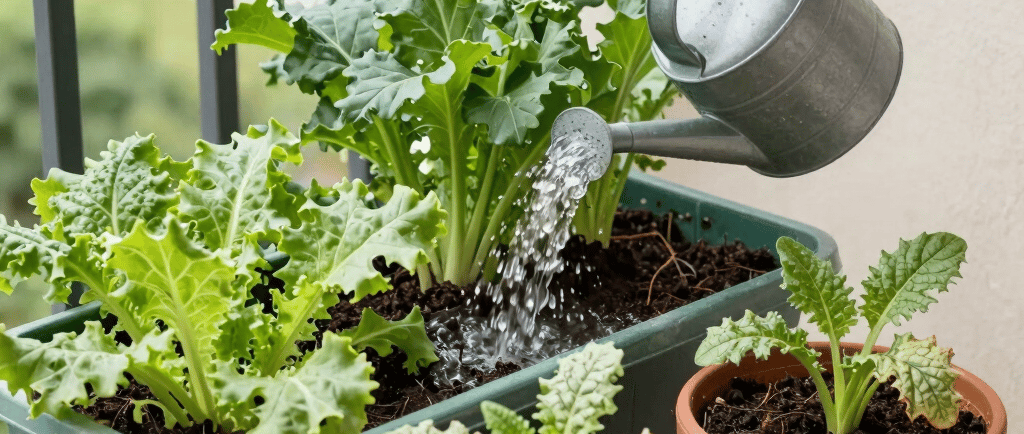
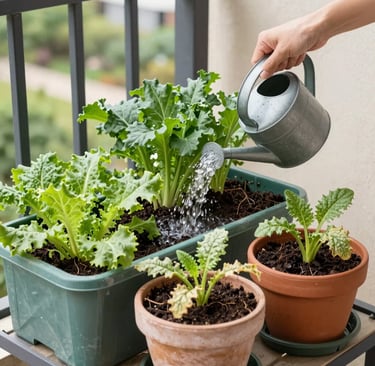
Deep watering is the only way to water. Every single time you water, you should be watering until water flows freely from the drainage holes at the bottom of the pot. Not a splash on the surface. Not a quick pour that moistens the top inch. A thorough, deep watering that saturates the entire soil volume. This matters because it encourages roots to grow deep and evenly throughout the soil, rather than staying near the surface where they're vulnerable to drying out quickly. Shallow, surface-only watering produces shallow-rooted plants that stress out every time the top layer dries — which is frequently.
I know deep watering sounds like it risks overwatering, but it doesn't — as long as your pot has proper drainage. The water flows through and out, carrying away any excess. What you're avoiding is the scenario where only the top inch gets wet while the bottom of the pot stays bone dry or, worse, waterlogged.
Morning watering is generally best for outdoor container plants. Watering in the morning gives leaves that get splashed time to dry during the day, reducing the risk of fungal problems. It also means the plant has moisture available during the warmest, most active part of the day when it needs it most. Evening watering is okay but leaves wet foliage overnight, which can encourage disease. I water my balcony plants every morning as part of my routine — it takes maybe ten minutes and it's become a genuinely enjoyable part of my day.
For indoor plants, timing matters less than for outdoor ones since there's no direct sun to cause leaf burn or heavy evaporation. Water whenever it's convenient, but still water deeply and thoroughly.
Watering tools make a difference. A long-spouted watering can gives you control and lets you direct water to the soil rather than the leaves. For outdoor containers, a hose with a gentle shower nozzle is efficient and gentle. Avoid high-pressure watering that disturbs soil and exposes roots. For hanging baskets and hard-to-reach containers, a watering wand attachment for your hose is genuinely worth the small investment.
Best Containers and Soil for Moisture Management
Here's something a lot of plant care guides don't emphasize enough: how often you need to water is significantly determined before you ever pick up a watering can. Your container choice and soil mix are the foundation of your moisture management system, and getting these right makes everything else easier.
Terracotta pots are breathable and porous, which means they wick moisture away from the soil through the walls. This is great for plants that prefer to dry out between waterings — succulents, cacti, Mediterranean herbs like rosemary and thyme. But it means terracotta needs more frequent watering for moisture-loving plants. In hot weather, a small terracotta pot might need watering every day or two. Beautiful pots, but high-maintenance from a watering perspective.
Plastic pots retain moisture much longer than terracotta because they're non-porous. A plant in a plastic pot will need watering roughly half as often as the same plant in a terracotta pot of the same size. Plastic is also lightweight, which matters for balconies and hanging setups. The downside is that plastic doesn't breathe, which increases overwatering risk if you're not careful. Make sure those drainage holes are clear and functional.
Fabric pots air-prune roots and drain excellently, but they dry out quite fast — faster even than terracotta in hot conditions. For vegetables and anything that loves consistent moisture, check fabric pots frequently in warm weather. I water my fabric pot tomatoes every single day in July and August, sometimes twice when it's really hot.
Self-watering containers are the smartest moisture management tool available for container gardeners. The reservoir system delivers consistent moisture to roots through wicking, eliminates the peaks and valleys of manual watering, and extends the time between your interventions significantly. For tomatoes and peppers especially — plants that suffer from inconsistent moisture — self-watering containers are genuinely transformative. Blossom end rot in tomatoes is almost always caused by inconsistent calcium uptake due to inconsistent watering, and self-watering containers eliminate that problem almost completely.
Potting mix quality affects moisture dynamics enormously. A good all-purpose potting mix retains moisture while still draining well. Adding perlite — those little white volcanic glass pieces you see in potting mix — improves drainage and aeration. For moisture-loving plants, adding coconut coir helps retain moisture longer. For succulents, use a purpose-made cactus mix or add significant amounts of coarse sand or perlite to regular mix. And never, ever use garden soil in containers — it compacts, drains poorly, and creates exactly the waterlogged conditions that cause root rot.
Watering Hacks for Busy People and Travelers
Life gets busy. I've gone through stretches where I've been traveling for work every other week, working long hours, or just genuinely forgetting to check my plants. These are the hacks and strategies that have kept my container garden alive through all of it.
Watering spikes and globes are simple, affordable, and genuinely useful for short absences. You fill a glass globe or terracotta spike with water, push it into the soil, and it releases water slowly as the soil dries out. They're not perfect — the flow rate varies and they run dry after a few days — but for a weekend away, they're great. I keep a set of terracotta spikes I deploy whenever I'm leaving for more than two days.
Drip irrigation systems for containers are the most reliable solution for regular travelers or people who just don't want to think about watering. Basic systems connect to an outdoor tap with a programmable timer and deliver measured amounts of water to each container through thin drip lines. Setup takes a couple of hours and costs $30-60 for a basic system. Once it's running, you can basically forget about watering for weeks at a time. This is the single best thing I've done for my balcony garden — it gave me back my mental energy and my weekends.
The plastic bag greenhouse method sounds completely ridiculous but absolutely works for indoor plants during longer absences. Water your plants thoroughly, then place the entire pot inside a large clear plastic bag and loosely seal it. The moisture evaporates, hits the bag, condenses, and drips back down into the soil. It creates a closed moisture system that can keep plants going for two to three weeks. Your plants look a bit absurd but they're alive when you get back.
Grouping plants together increases local humidity and slows down moisture loss from individual containers. Plants transpire moisture through their leaves, and when several plants are grouped close together that moisture accumulates around them and benefits all of them. I keep my herbs clustered together on my balcony and they consistently stay moist longer than my isolated containers do.
The pebble tray method works well for indoor plants. Place a tray of pebbles under your containers, add water to the tray to just below the bottom of the pots, and the evaporating water creates a humid microclimate around your plants. Don't let pots sit directly in water — just above it is the goal. This is especially helpful for ferns and tropicals that appreciate humidity.
Watering Schedules by Plant Type
Since people always want some concrete starting point, here's my practical guide to watering frequency by plant type. Use these as starting points and adjust based on your specific conditions — pot size, season, temperature, humidity, and soil mix all affect the actual frequency you'll need.
Tomatoes in containers are thirsty plants, especially once they start fruiting. In warm summer weather, check daily and water when the top inch of soil is dry — which in a five-gallon pot in full sun might be every day or every other day. Inconsistent watering causes blossom end rot and cracked fruit, so consistency is key. Self-watering containers are genuinely ideal for tomatoes.
Peppers in containers are slightly more drought-tolerant than tomatoes but still like consistent moisture during flowering and fruiting. Every two to three days in warm weather is a reasonable starting point — adjust based on your conditions.
Lettuce and salad greens have shallow roots and dry out quickly, especially in small containers. Check daily and keep consistently moist — these don't like drying out at all. In hot weather they may need water every day. In cool spring and fall weather, every two to three days is usually sufficient.
Basil likes consistent moisture and wilts dramatically when it dries out — then bounces back, but repeated wilting stresses the plant and affects flavor. Check every day in warm weather and water when the top inch is dry. Every one to two days in summer is typical.
Rosemary, thyme, and oregano are Mediterranean herbs that actively prefer to dry out between waterings. These are perfect for forgetful waterers. Water thoroughly, then let the soil dry out almost completely before watering again. Every five to seven days in summer, less in winter. Overwatering these is far more common and damaging than underwatering.
Mint likes consistent moisture — more like basil than rosemary. Check every day or two and keep the soil evenly moist. It wilts fast when dry but recovers quickly.
Snake plants, ZZ plants, and other low-maintenance tropicals want the soil to dry out significantly between waterings — not bone dry like a succulent, but the top two inches should be dry before you water again. Every ten to fourteen days in summer, every three to four weeks in winter is a reasonable guideline.
Pothos and philodendrons like the top inch or two to dry between waterings. Every seven to ten days in summer, every two weeks in winter, roughly. Very forgiving of occasional missed waterings in either direction.
Succulents and cacti want to go almost completely dry between waterings. Every two to three weeks in summer during active growing season, once a month or less in winter. When in doubt with succulents, wait another week before watering. They really do prefer it that way.
Flowering annuals in outdoor containers — petunias, geraniums, marigolds — are often the thirstiest container plants you'll grow. In hot summer weather, especially in small pots, daily watering is often necessary. These plants are actively blooming and growing through the hottest part of the year and their water demands are significant.
Conclusion
The single most important thing I want you to take away from this guide is this: ditch the rigid watering schedule and learn to read your plants and your soil. The finger test is free, it takes three seconds, and it will save more plants than any watering schedule ever could.
Water deeply when the soil tells you it's time. Never water just because it's been a certain number of days. Pay attention to the seasons and adjust. Know your containers — terracotta needs more frequent watering than plastic, fabric pots dry out fast, self-watering containers buy you time. Match your soil mix to your plant's moisture preferences. And if your plant is yellowing with wet soil, stop watering and investigate root rot before you water it one more time.
You're going to make mistakes — everyone does. I overwatered my way through more plants than I'd like to admit before I finally understood what I was doing. But the beautiful thing about container gardening is that every plant you lose teaches you something. You get better. Your instincts sharpen. And one day you'll stick your finger in the soil, feel exactly what's going on in there, and just know what your plant needs.
That day comes faster than you think, I promise.
Now I want to hear from you! Have you been an overwater-er, an underwater-er, or somehow both at the same time (I've been there)? What plant did you finally crack the code on? Drop your stories in the comments — I genuinely love hearing them. And if this guide saved a plant's life today, share it with a fellow plant parent who might need it. 💧🌿