Best Climbing Plants for Indoor Gardening: Beautiful Vines for Your Home
Discover the best climbing plants for indoor gardening, plus care tips, support ideas, and troubleshooting advice for healthy indoor vines all year round.
INDOOR TINY PLOTS: FRESH FOOD & GREENERY ALL YEAR
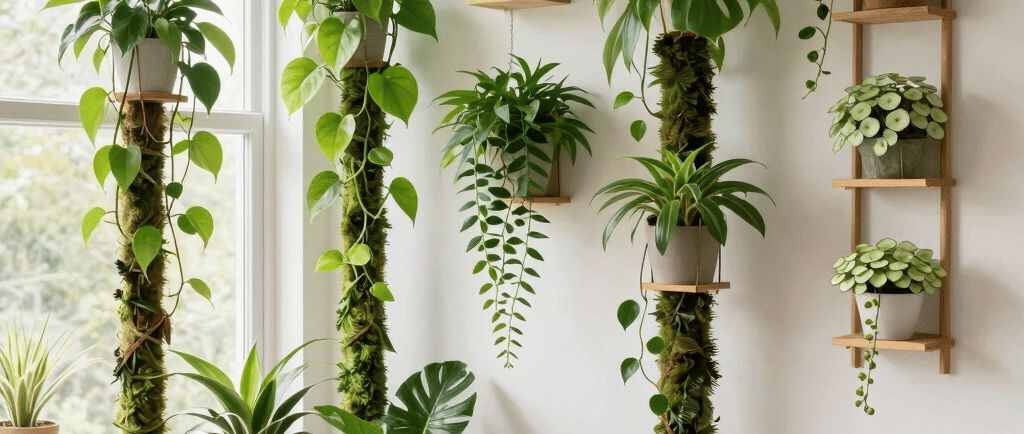
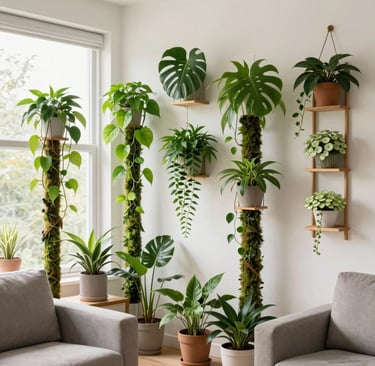
If you want your home to feel fuller, greener, and a little more alive, climbing plants are such an easy win. They add height, movement, and that “indoor jungle” feeling without needing a giant space.
I’ve always liked climbing plants because they make a room feel softer. A pothos trailing from a shelf, a philodendron climbing a moss pole, or a hoya winding around a hoop can change the whole mood of a space fast.
Best Climbing Plants for Indoor Gardening
Pothos
Pothos is one of the easiest indoor climbers for beginners. It grows fast, handles a range of light conditions, and looks great trailing from a shelf or climbing a support.
It also comes in several types, including golden pothos, marble queen, and neon pothos. That makes it a flexible choice if you want a plant that can fit into almost any room style.
Heartleaf Philodendron
Heartleaf philodendron is another beginner-friendly choice. It has soft, heart-shaped leaves and a relaxed growth habit that works well on a trellis, moss pole, or hanging shelf.
This plant is forgiving and usually recovers well if you miss a watering or two. That makes it a nice option if you want something beautiful without a lot of fuss.
Monstera Deliciosa
Monstera deliciosa is famous for its large split leaves and bold tropical look. Indoors, it climbs best with a moss pole or sturdy support, especially as it gets larger.
It does need a bit more room than pothos or philodendron, but it gives back a lot visually. If you want one statement plant that instantly makes a room feel lush, this is a strong pick.
Hoya
Hoya is a great indoor climber if you want something a little more unique. Many hoyas grow as vining plants and can be trained on hoops, trellises, or hanging supports.
Some varieties also bloom with clusters of waxy, fragrant flowers. That makes them a favorite for plant people who want both foliage and flowers.
Scindapsus
Scindapsus, sometimes called satin pothos, has soft, velvety-looking leaves with silver markings. It looks elegant climbing or trailing and does well indoors with bright indirect light.
It’s a nice choice if you want a plant that feels a little more polished and decorative. It has a calm, almost painted look that stands out without being flashy.
English Ivy
English ivy can be grown indoors, though it usually does best with bright light and good air circulation. It has a classic look and can climb small supports or trail from hanging pots.
Because it can be sensitive to dry indoor conditions, it needs a little more attention than pothos. Still, it’s a lovely choice if you want a more traditional vining plant.
Climbing Fig
Climbing fig is a small-leaved vine that can be trained along a wall or trellis. It grows densely and creates a nice green backdrop over time.
It does best when you’re consistent with watering and pruning. If you let it go too long, it can get a little wild, but that is part of the charm.
How to Support Indoor Climbers
Indoor climbers need something to grab onto, and the support you choose changes how the plant grows. A moss pole is one of the most popular options because it encourages plants like monstera and philodendron to grow upward naturally.
You can also use small trellises, hoops, wall hooks, or decorative stakes. The main thing is to match the support to the plant’s growth habit and your space.
For example, a pothos can trail from a shelf or climb a slim trellis, while a monstera usually needs a sturdier pole. If you want a neater look, give the plant support early so it grows in the direction you want instead of sprawling everywhere.
Light, Water, and Humidity
Most climbing houseplants do best in bright, indirect light. That’s usually enough to keep leaves healthy and growth steady without burning the foliage.
Watering depends on the plant, but a good rule is to check the top inch or two of soil before watering again. If it feels dry, it’s usually time; if it still feels damp, wait a bit longer.
Humidity matters too, especially for tropical climbers like monstera, philodendron, and hoya. If your house is dry, grouping plants together, using a pebble tray, or adding a humidifier can help a lot.
Pruning and Training Tips
Training climbing plants early makes a big difference. If you let them grow without direction, they often get leggy or lopsided, and then you have more cleanup later.
Use soft plant ties or clips to guide stems onto their support. Don’t force them too tightly; just nudge them in the right direction and let them settle in.
Prune back long vines when they get messy or start looking thin. That encourages fuller growth and keeps the plant from taking over the room in a sloppy way.
Common Problems and Fixes
One common issue is yellow leaves, which often point to overwatering. Another is slow growth, which can happen if the plant needs more light or a better support structure.
If the leaves look small and the stems are stretching out, the plant may be reaching for more light. Move it closer to a bright window, but keep it out of direct harsh sun.
Pests like spider mites and mealybugs can also show up indoors. Check leaf undersides regularly and wipe leaves clean so you catch problems early.
Conclusion
The best climbing plants for indoor gardening bring height, texture, and life into your home without needing a huge footprint. Whether you choose pothos, monstera, philodendron, hoya, or another vine, the key is giving it the right light, support, and care.
Start with one plant and one support system. Once you see how much vertical greenery changes the room, it gets pretty addictive.